Moroccan Geometric Embroidery Delight 3 Ensemble
First Impressions: A Design That Speaks in Patterns
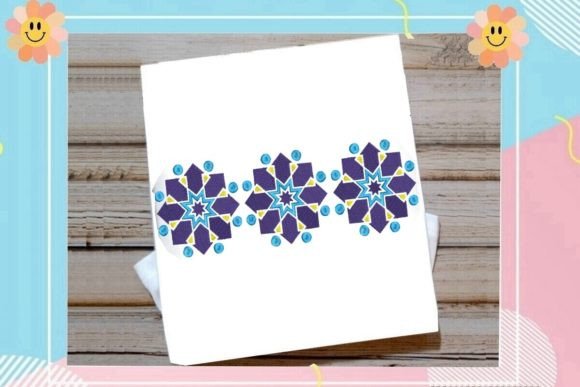
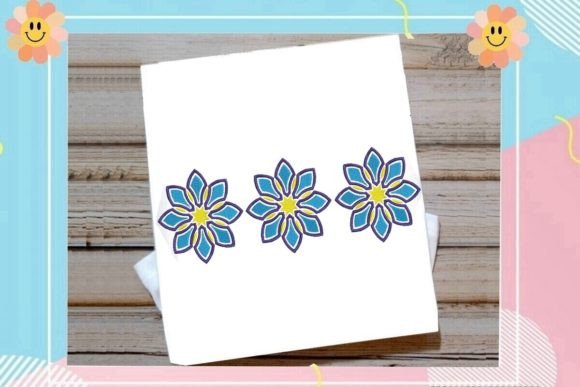
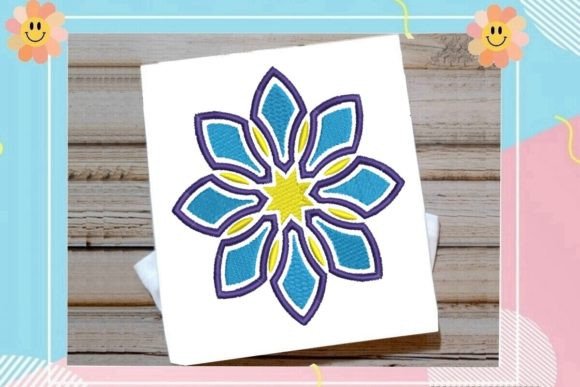
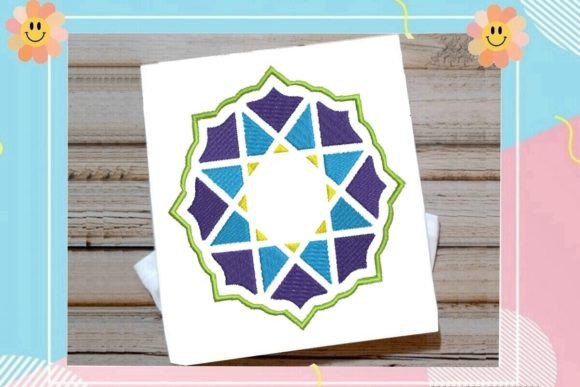
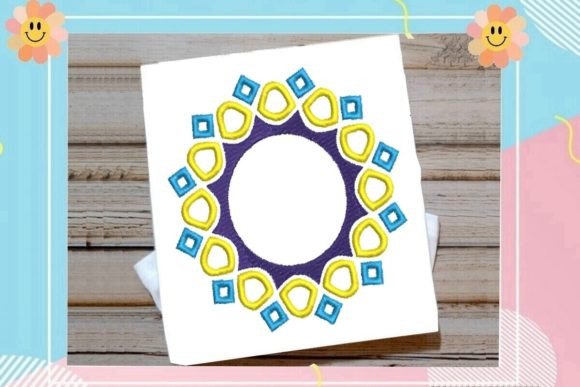
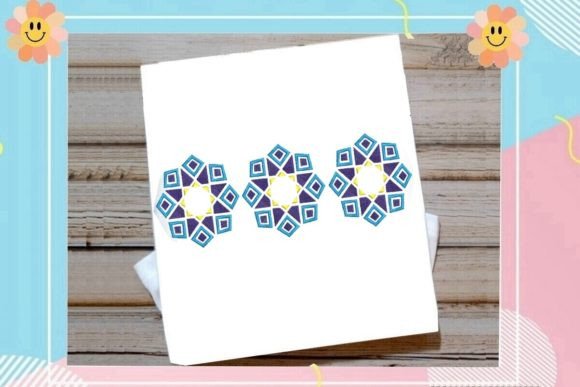
The Moroccan Geometric Embroidery Delight 3 Ensemble immediately catches the eye with its intricate, symmetrical layout. Drawing from the traditional Zellige art of Morocco, this machine embroidery design is a celebration of geometric harmony. The shapes are clean, the lines precise, and the overall composition feels both modern and timeless. It’s the kind of design that can elevate a simple project into something visually striking.
The visual personality of the design is bold yet elegant. It doesn’t scream for attention but commands it through its complexity and balance. This makes it ideal for projects where subtlety meets sophistication—think custom apparel, decorative home goods, or high-end handmade products.
Real-World Use: Where This Design Thrives
As an experienced designer, I’ve tested this embroidery file on various fabrics and projects. It works exceptionally well on medium-weight materials like cotton, denim, and light upholstery fabric. For example, when I used it on a tote bag design, the geometric patterns stood out without overwhelming the canvas. The detail level is high enough to be noticeable but not so dense that it becomes impractical for everyday use.
This design shines on sweatshirts, baby clothes, and aprons. The symmetry and structure make it perfect for embroidered patches, where clarity and precision matter. It also adds a unique touch to holiday gifts, especially when paired with warm, earthy tones that reflect the Moroccan aesthetic.
One of the strengths of the Moroccan Geometric Embroidery Delight 3 Ensemble is its versatility. Whether you're creating personalized gifts, boutique merchandise, or digital product previews, this design adapts well. It’s a solid choice for Etsy sellers looking to add a distinctive element to their listings or small shop owners wanting to stand out in a crowded market.
Where to Be Cautious: Limitations and Considerations
While the design is impressive, there are areas where it may not perform as well. On small hoop sizes, the complexity can become challenging. If you’re working with limited space, you might need to simplify or split the design. Similarly, on textured fabrics or thin materials, the stitch density could cause puckering or distortion.
Stretchy fabrics also pose a challenge. The design relies on sharp lines and defined shapes, which can blur or stretch if the material isn’t stabilized properly. Dark fabrics may require careful thread color selection to ensure visibility, while layered garments or curved surfaces like caps can complicate the placement and stitching process.
For commercial embroidery projects, it’s essential to test the design thoroughly before mass production. Small details, such as corners and tight curves, may need extra attention to maintain quality. If you're planning to sell finished products, always check the licensing terms to ensure compliance with any restrictions.
Impact on Visual Appeal and Customer Perception
The Moroccan Geometric Embroidery Delight 3 Ensemble has a strong visual impact. It adds value to any project by introducing a sense of craftsmanship and cultural flair. When stitched correctly, it enhances the professionalism of a handmade product and can significantly boost buyer engagement.
Customers often respond positively to designs that feel unique and meaningful. This embroidery file offers a way to create items that stand out in a market saturated with generic patterns. It’s particularly effective for personalized gifts, where the design can be tailored to match the recipient’s style or occasion.
From a branding perspective, using this design can help reinforce a consistent aesthetic across your product line. Whether you're selling on Etsy, at craft fairs, or in a boutique, it provides a cohesive look that reflects your creative vision.
Practical Tips for Using This Design
Before committing to a project, I always recommend testing the Moroccan Geometric Embroidery Delight 3 Ensemble on scrap fabric. This helps identify any potential issues with stitch density, stabilizer use, or thread color contrast. It’s also a good idea to review the embroidery file for any hidden elements that might affect the final result.
When working with this design, pay close attention to the hoop size. If the design is too large for your machine, consider breaking it into sections or adjusting the layout. Proper stabilizer is crucial, especially on delicate or stretchy fabrics, to prevent distortion during stitching.
For digital product sellers, including printable mockups of the design can help buyers visualize how it will look on different items. Testing the design in black and white can also reveal how it translates on various fabric backgrounds, ensuring it remains clear and impactful.
Final Thoughts: A Design Worth Exploring
The Moroccan Geometric Embroidery Delight 3 Ensemble is more than just a pretty pattern—it’s a functional, adaptable design that can enhance a wide range of projects. Its intricate cuts and balanced layout make it suitable for both personal and commercial use, provided you take the necessary precautions.
If you're an embroidery designer, small business owner, or craft enthusiast looking for a fresh, sophisticated option, this design is worth considering. Just remember to test it thoroughly, understand its limitations, and use it in a way that highlights its strengths. With the right approach, it can become a valuable addition to your design arsenal.